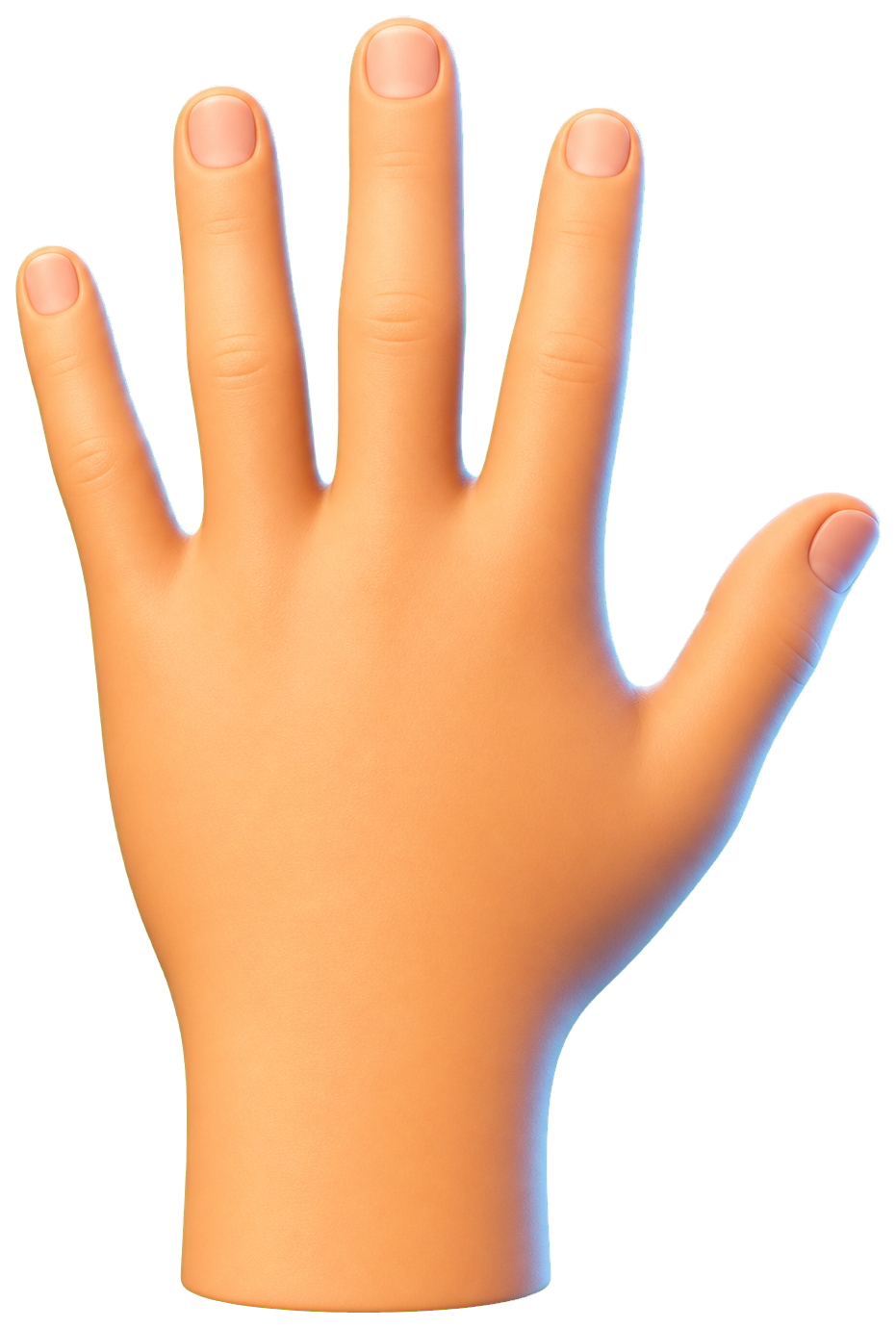
 A Q Z
S W X
D E C
F G R T V B
space
A Q Z
S W X
D E C
F G R T V B
space
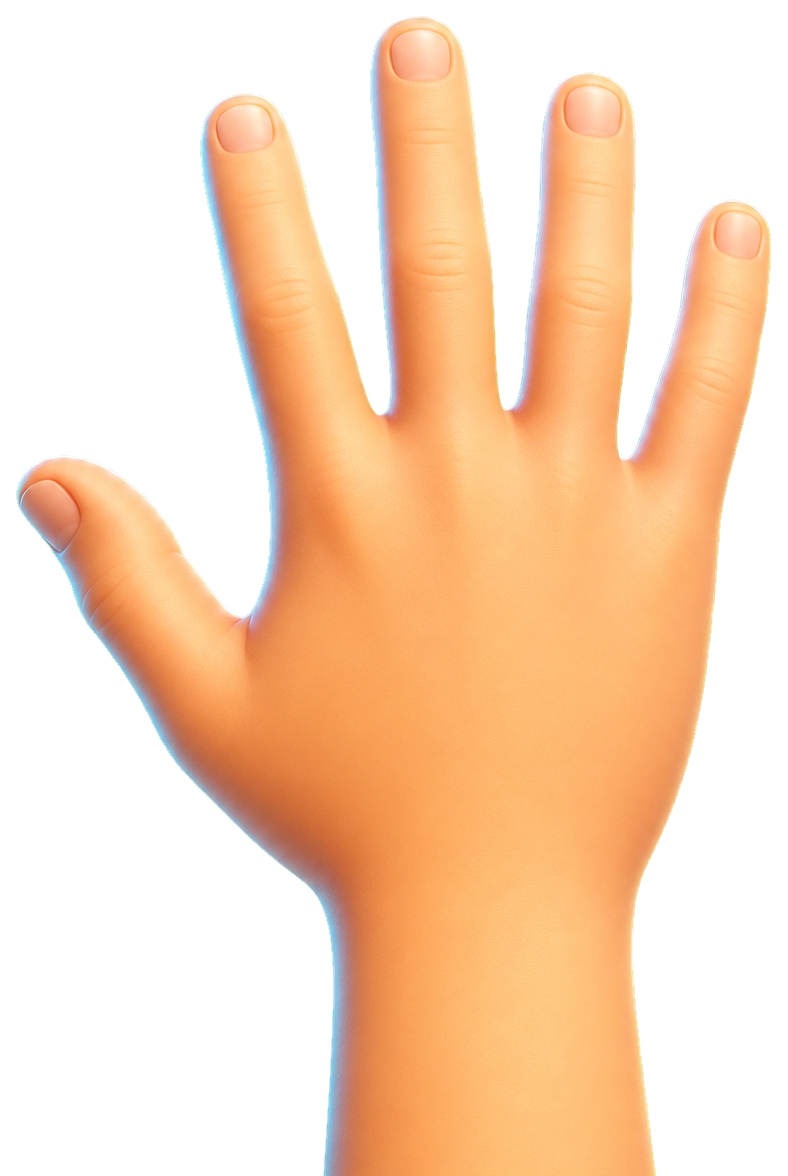 H J Y U N M
K I ,
L O .
P ; /
space
H J Y U N M
K I ,
L O .
P ; /
space
Practice without noise
A clean workspace keeps the text, caret and feedback in one visual flow during every WPM test.
A calmer way to type faster
Unemployment is defined by the U.S. Bureau of Labor Statistics as people who do not have a job, have actively looked for work in the past four weeks, and currently are available for work. Also, people who were temporarily laid off and were waiting to be called back to that job are included in unemployment statistics. The BLS reports this in its U-3 report, a part of the monthly jobs report. The BLS measures unemployment through monthly household surveys called the Current Population Survey. It has been conducted every month since 1940 as part of the government's response to the Great Depression. It has been modified several times since then and experienced a major redesign in 1994.That included a revamping of the questionnaire, the use of computer-assisted interviewing, and revisions to some of the labor force concepts. The BLS does not count everyone who is jobless as unemployed. It excludes those who have not looked for work within the past four weeks. The BLS also removes them from the labor force. Most people leave the labor force when they retire, go to school, have a disability that keeps them from working, or have family responsibilities. The BLS doesn't count people who would like to work but aren't actively looking for work. The BLS does track those people, though, in the U-6 unemployment rate. Some people call this the real unemployment rate. It includes those who have looked for work within the past 12 months but not within the past four weeks. The BLS calls them "marginally attached to the labor force. " A subset of the marginally attached is called discouraged workers. They have given up looking because they don't think there are jobs out there for them.
Browse all typing paragraphs →A clean workspace keeps the text, caret and feedback in one visual flow during every WPM test.
Switch between timed typing speed tests, word goals and curated passages. Add punctuation or numbers when ready.
Review speed, accuracy, consistency and your pace across the full test so the next session has a clear focus.