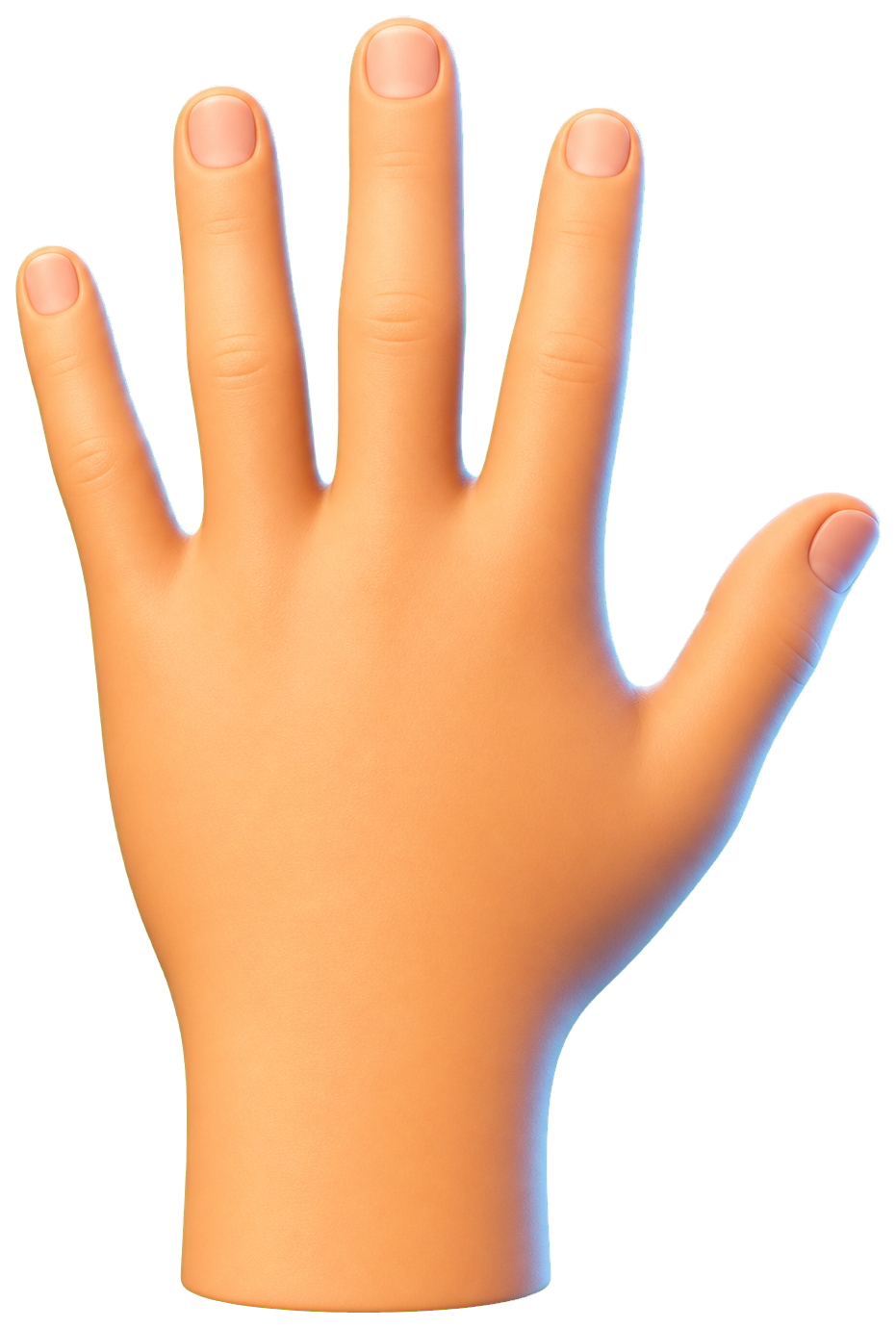
 A Q Z
S W X
D E C
F G R T V B
space
A Q Z
S W X
D E C
F G R T V B
space
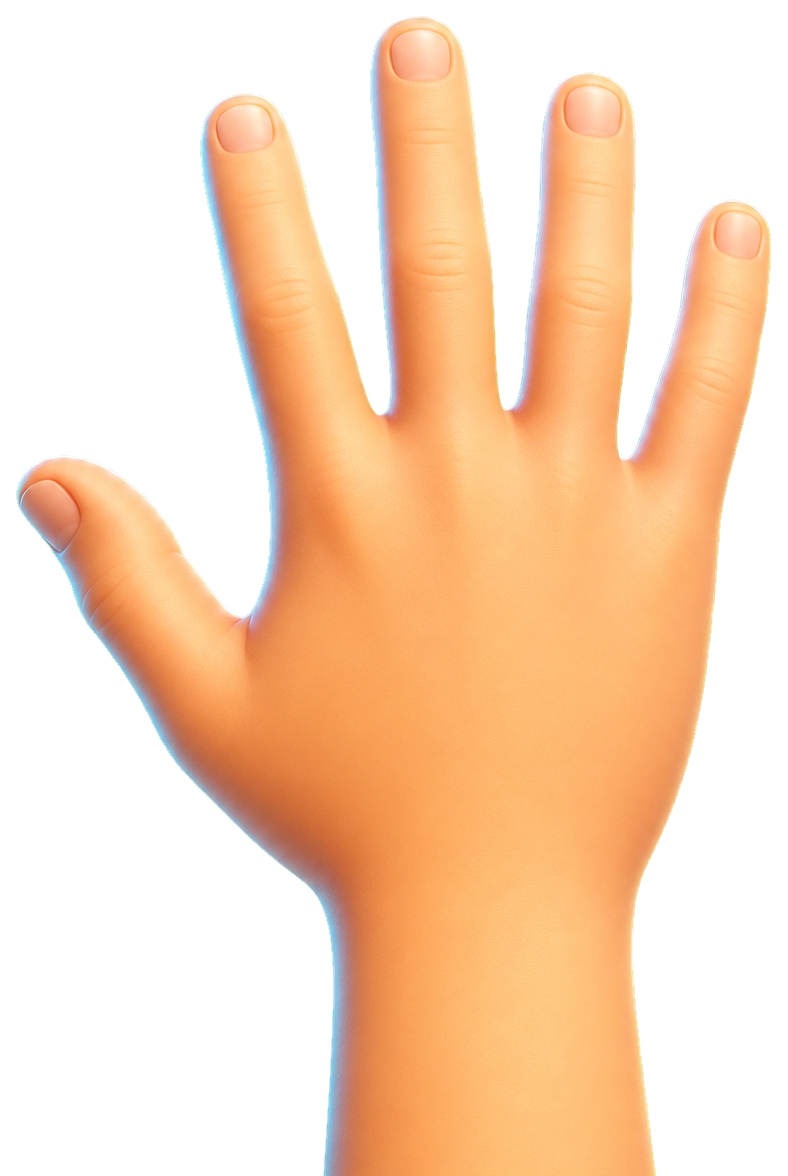 H J Y U N M
K I ,
L O .
P ; /
space
H J Y U N M
K I ,
L O .
P ; /
space
Practice without noise
A clean workspace keeps the text, caret and feedback in one visual flow during every WPM test.
A calmer way to type faster
The teenage years can be really tough and it's perfectly normal to feel sad or irritable every now and then. But if these feelings don't go away or become so intense that you feel overwhelmingly hopeless and helpless, you may be suffering from depression. Teen depression is much more than feeling temporarily sad or down in the dumps. It's a serious and debilitating mood disorder that can change the way you think, feel, and function in your daily life, causing problems at home, school, and in your social life. When you're depressed, you may feel hopeless and isolated and it can seem like no one understands. But depression is far more common in teens than you may think. The increased academic pressures, social challenges, and hormonal changes of the teenage years mean that about one in five of us suffer with depression in our teens. You're not alone and your depression is not a sign of weakness or a character flaw. Even though it can feel like the black cloud of depression will never lift, there are plenty of things you can do to help yourself deal with symptoms, regain your balance and feel more positive, energetic, and hopeful again. If your negative feelings caused by depression become so overwhelming that you can't see any solution besides harming yourself or others, you need to get help right away. Asking for help when you're in the midst of such strong emotions can be really difficult, but it's vital you reach out to someone you trust - a friend, family member, or teacher, for example. If you don't feel that you have anyone to talk to, or think that talking to a stranger might be easier, call a suicide helpline. You'll be able to speak in confidence to someone who understands what you're going through and can help you deal with your feelings.
Browse all typing paragraphs →A clean workspace keeps the text, caret and feedback in one visual flow during every WPM test.
Switch between timed typing speed tests, word goals and curated passages. Add punctuation or numbers when ready.
Review speed, accuracy, consistency and your pace across the full test so the next session has a clear focus.