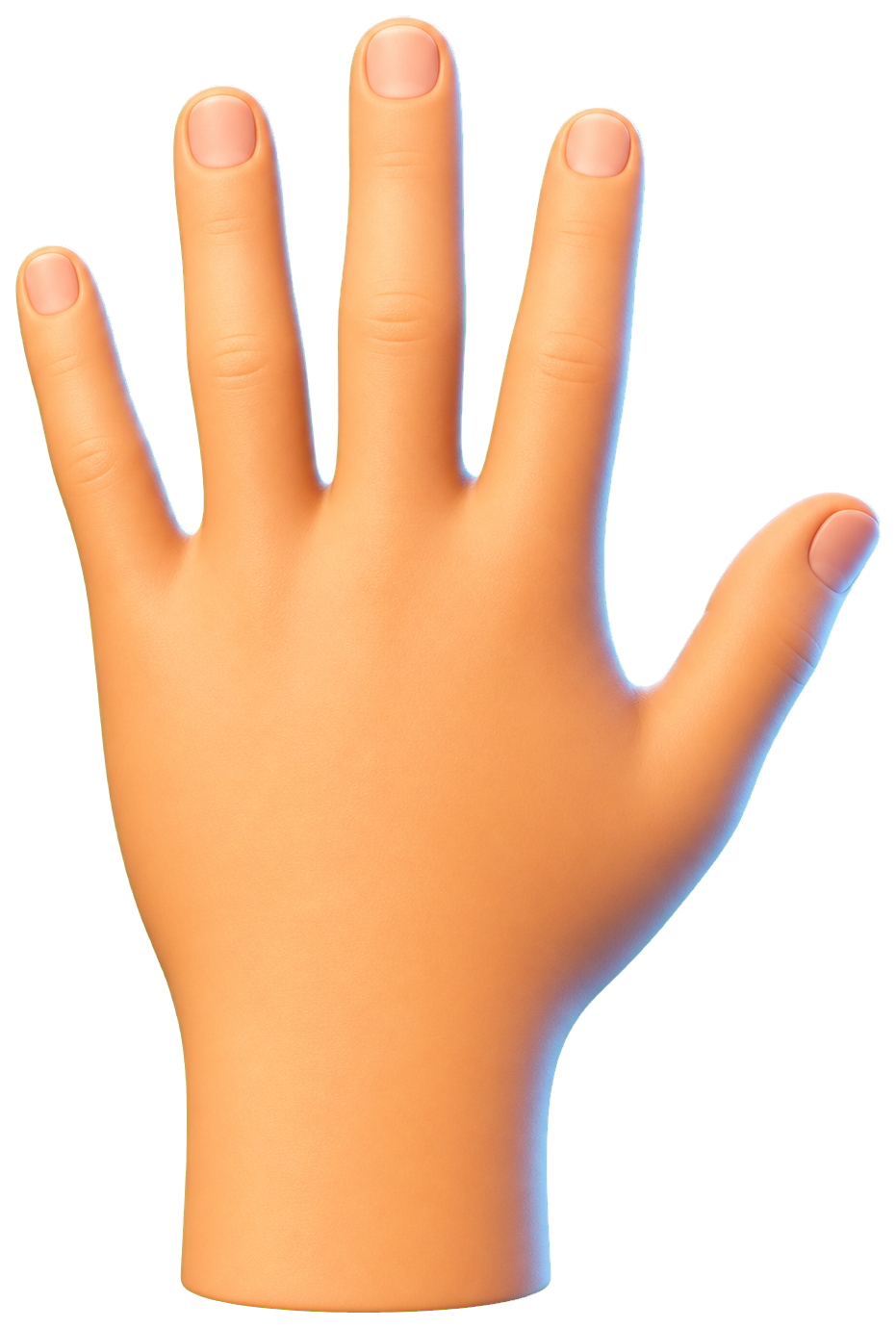
 A Q Z
S W X
D E C
F G R T V B
space
A Q Z
S W X
D E C
F G R T V B
space
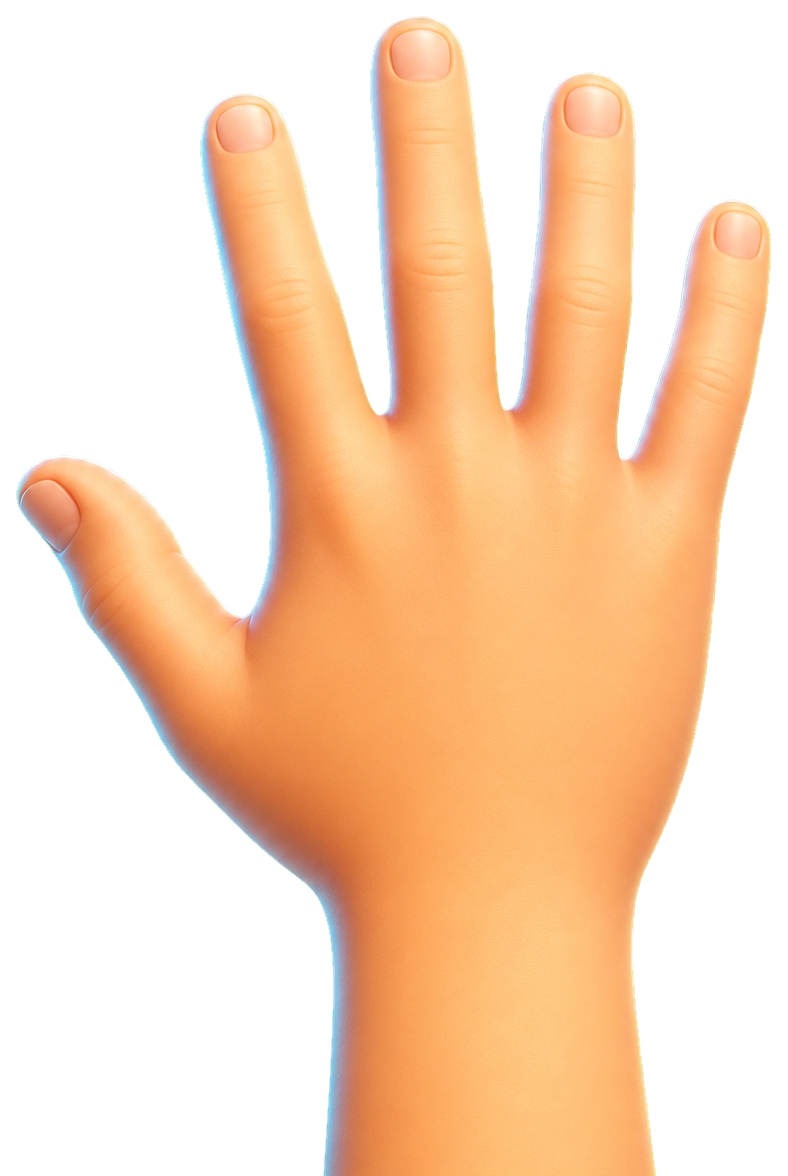 H J Y U N M
K I ,
L O .
P ; /
space
H J Y U N M
K I ,
L O .
P ; /
space
Practice without noise
A clean workspace keeps the text, caret and feedback in one visual flow during every WPM test.
A calmer way to type faster
Science is exciting in theory, but it can also be dreadfully dull. Some experiments require hundreds or thousands of repetitions or trials - an excellent opportunity to automate. That's just what MIT scientists have done, creating a robot that performs a certain experiment, observes the results, and plans a follow-up... and has now done so 100,000 times in the year it's been operating. The field of fluid dynamics involves a lot of complex and unpredictable forces, and sometimes the best way to understand them is to repeat things over and over until patterns emerge.(Well, it's a little more complex than that, but this is neither the time nor the place to delve into the general mysteries of fluid dynamics.)One of the observations that needs to be performed is of "vortex-induced vibration," a kind of disturbance that matters a lot to designing ships that travel through water efficiently. It involves close observation of an object moving through water... over, and over, and over. Turns out it's also a perfect duty for a robot to take over. But the Intelligent Tow Tank, as they call this robotic experimentation platform, is designed not just to do the mechanical work of dragging something through the water, but to intelligently observe the results, change the setup accordingly to pursue further information, and continue doing that until it has something worth reporting. "The ITT has already conducted about 100,000 experiments, essentially completing the equivalent of all of a Ph.D student's experiments every 2 weeks," say the researchers in their paper, published today in Science Robotics. The hard part, of course, was not designing the robot (though that was undoubtedly difficult as well) but the logic that lets it understand, at a surface level so to speak, the currents and flows of the fluid system and conduct follow-up experiments that produce useful results.
Browse all typing paragraphs →A clean workspace keeps the text, caret and feedback in one visual flow during every WPM test.
Switch between timed typing speed tests, word goals and curated passages. Add punctuation or numbers when ready.
Review speed, accuracy, consistency and your pace across the full test so the next session has a clear focus.