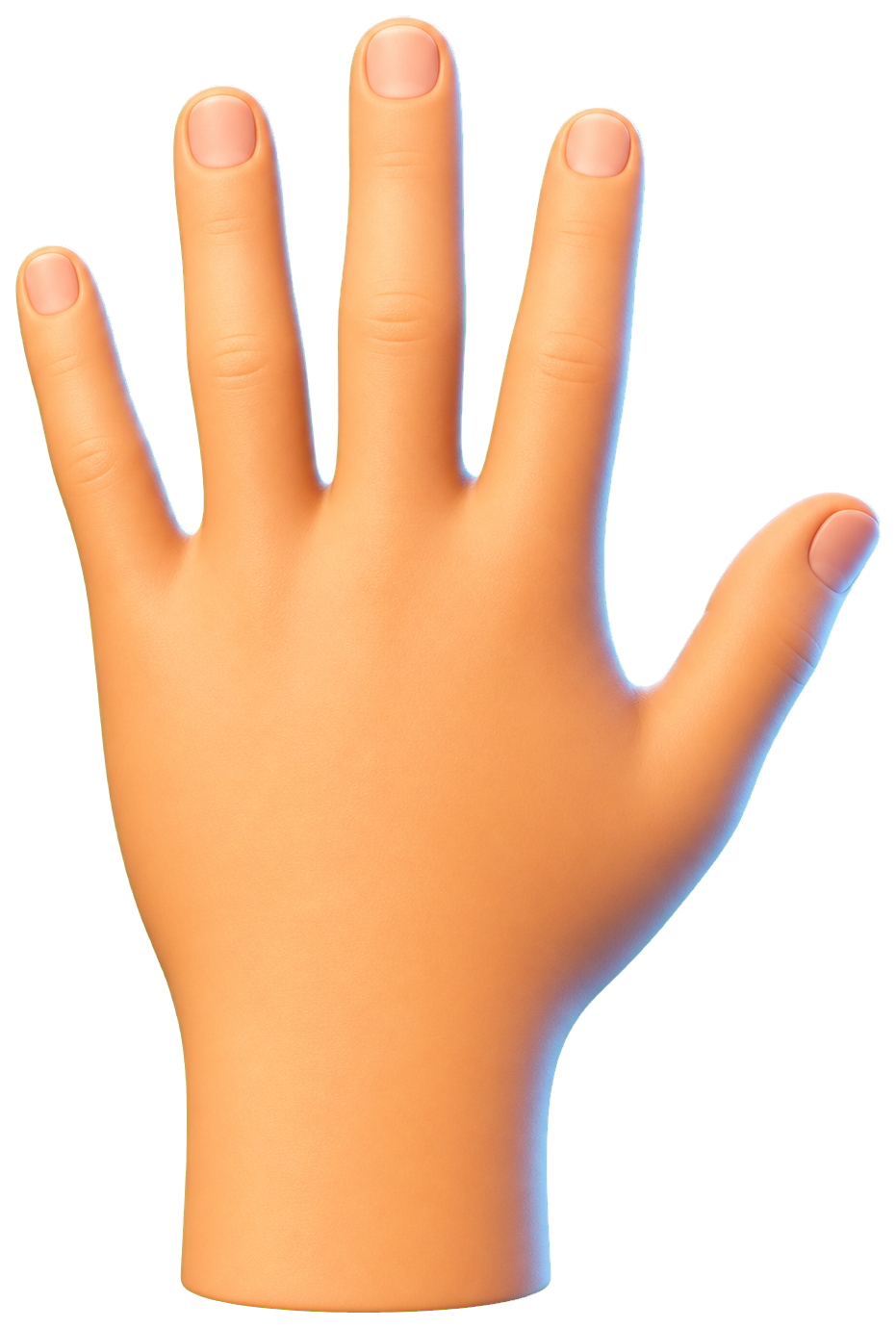
 A Q Z
S W X
D E C
F G R T V B
space
A Q Z
S W X
D E C
F G R T V B
space
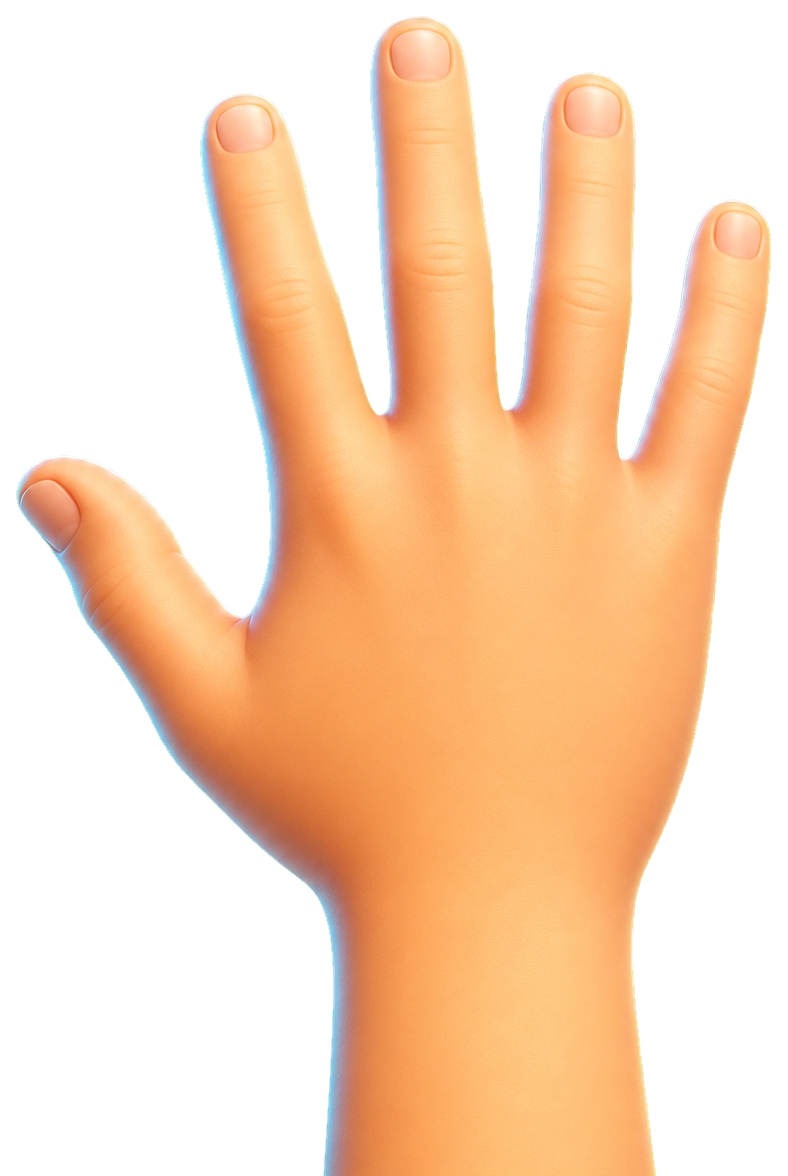 H J Y U N M
K I ,
L O .
P ; /
space
H J Y U N M
K I ,
L O .
P ; /
space
Practice without noise
A clean workspace keeps the text, caret and feedback in one visual flow during every WPM test.
A calmer way to type faster
A handheld mobile radio telephone service was envisioned in the early stages of radio engineering. In 1917, Finnish inventor Eric Tigerstedt filed a patent for a "pocket-size folding telephone with a very thin carbon microphone". Early predecessors of cellular phones included analog radio communications from ships and trains. The race to create truly portable telephone devices began after World War II, with developments taking place in many countries. The advances in mobile telephony have been traced in successive "generations", starting with the early zeroth-generation (0G) services, such as Bell System's Mobile Telephone Service and its successor, the Improved Mobile Telephone Service. These 0G systems were not cellular, supported few simultaneous calls, and were very expensive. The Motorola DynaTAC 8000X.In 1984, it became the first commercially available handheld cellular mobile phone. The development of metal-oxide-semiconductor (MOS) large-scale integration (LSI) technology, information theory and cellular networking led to the development of affordable mobile communications. The first handheld cellular mobile phone was demonstrated by John F. Mitchell and Martin Cooper of Motorola in 1973, using a handset weighing 2 kilograms (4.4 lb). The first commercial automated cellular network (1G) analog was launched in Japan by Nippon Telegraph and Telephone in 1979.This was followed in 1981 by the simultaneous launch of the Nordic Mobile Telephone (NMT) system in Denmark, Finland, Norway, and Sweden. Several other countries then followed in the early to mid-1980s. These first-generation (1G) systems could support far more simultaneous calls but still used analog cellular technology. In 1983, the DynaTAC 8000x was the first commercially available handheld mobile phone. Digital cellular networks appeared in the 1990s, enabled by the wide adoption of MOSFET-based RF power amplifiers (power MOSFET and LDMOS) and RF circuits (RF CMOS), leading to the introduction of digital signal processing in wireless communications. In 1991, the second-generation (2G) digital cellular technology was launched in Finland by Radiolinja on the GSM standard. This sparked competition in the sector as the new operators challenged the incumbent 1G network operators. The GSM standard is a European initiative expressed at the CEPT ("Conference Europeenne des Postes et Telecommunications", European Postal and Telecommunications conference). The Franco-German R&D cooperation demonstrated the technical feasibility, and in 1987 was signed the Memorandum of Understanding, between 13 European countries who agreed to launch a commercial service by 1991.The first version of the GSM (=2G) standard had 6.000 pages. The IEEE/RSE awarded to Thomas Haug and Philippe Dupuis the 2018 James Clerk Maxwell medal for their contributions to the first digital mobile telephone standard. In 2018, the GSM was used by over 5 billion people in over 220 countries. The GSM (2G) has evolved into 3G, 4G and 5G.
Browse all typing paragraphs →A clean workspace keeps the text, caret and feedback in one visual flow during every WPM test.
Switch between timed typing speed tests, word goals and curated passages. Add punctuation or numbers when ready.
Review speed, accuracy, consistency and your pace across the full test so the next session has a clear focus.