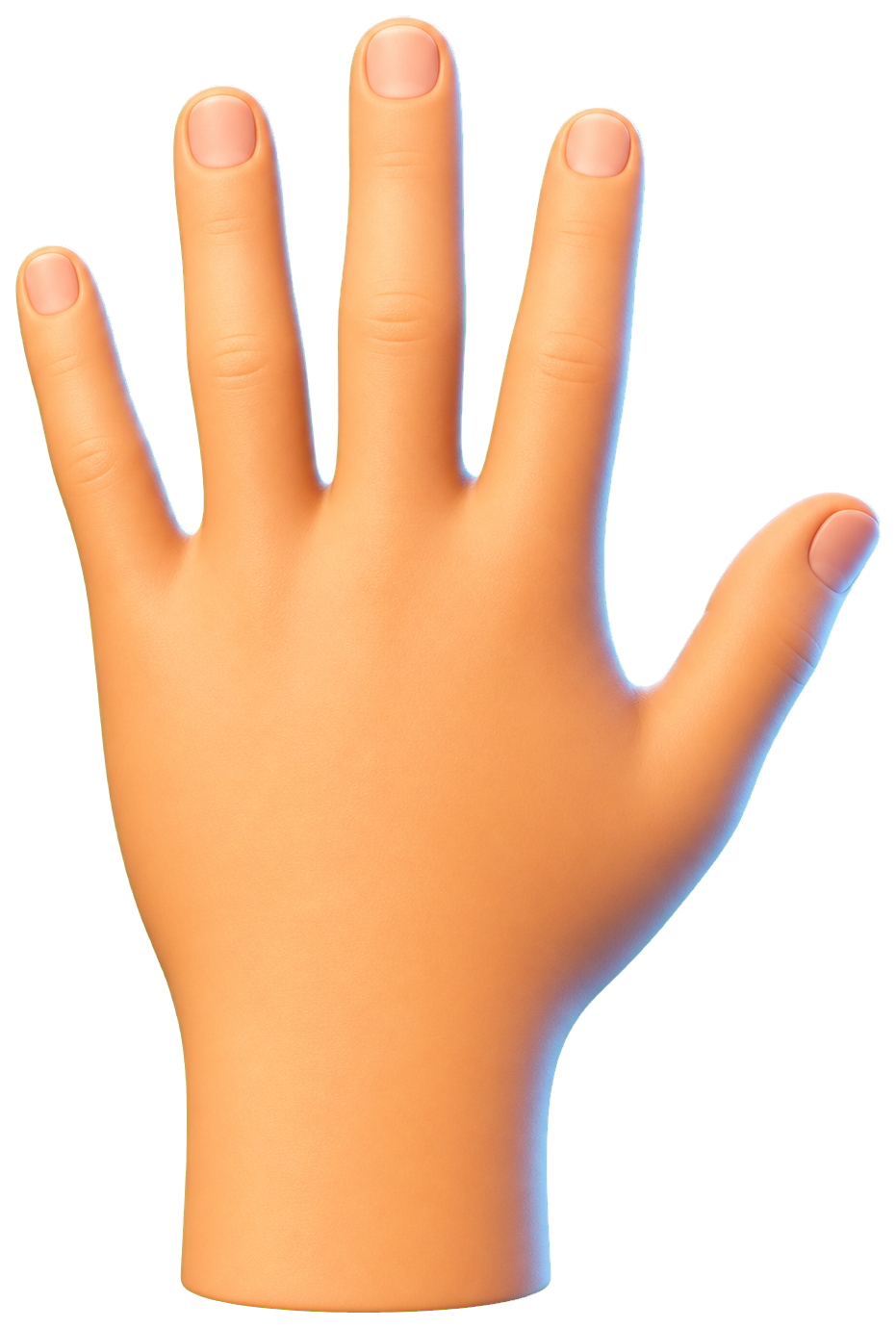
 A Q Z
S W X
D E C
F G R T V B
space
A Q Z
S W X
D E C
F G R T V B
space
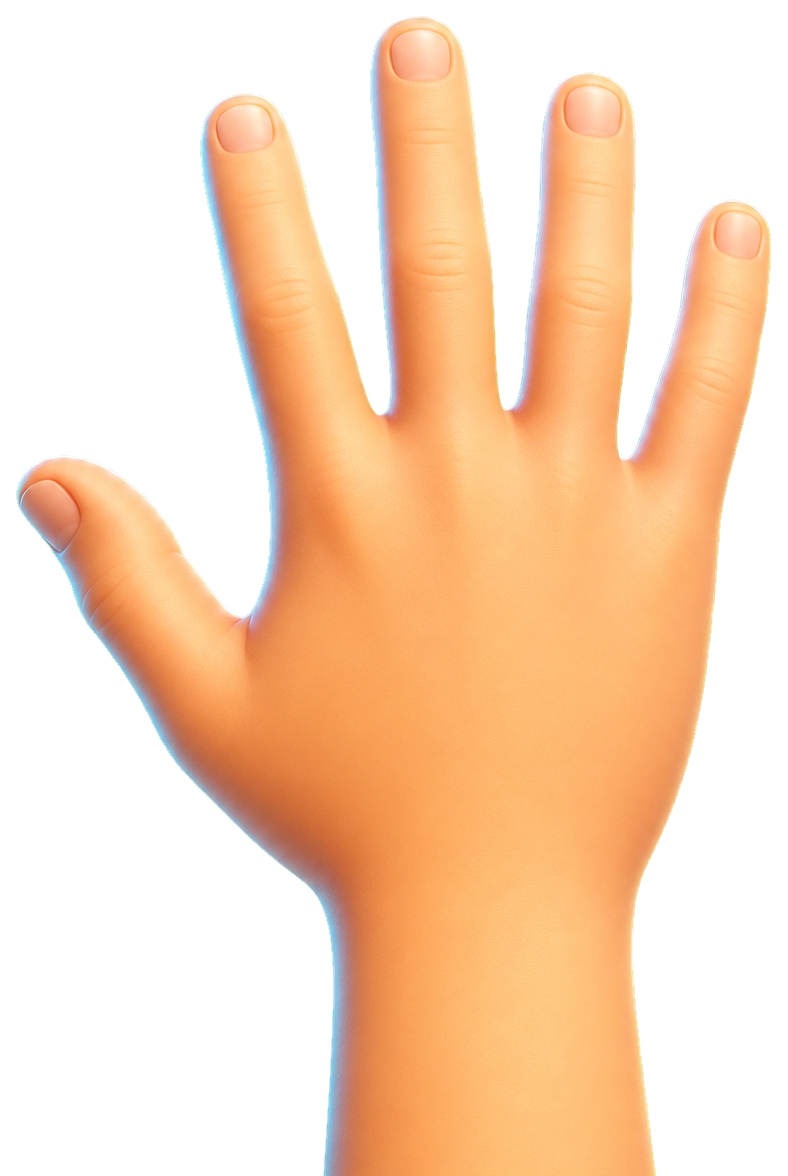 H J Y U N M
K I ,
L O .
P ; /
space
H J Y U N M
K I ,
L O .
P ; /
space
Practice without noise
A clean workspace keeps the text, caret and feedback in one visual flow during every WPM test.
A calmer way to type faster
The BRICS is an important group of emerging economies that aims to promote economic cooperation, political coordination, and sustainable development among its member countries. Originally formed by Brazil, Russia, India, China, and South Africa, BRICS represents a significant share of the world's population, land area, and global economic output. The grouping was established to strengthen the voice of developing nations in global decision-making and to create a more balanced and multipolar world order. BRICS countries cooperate in areas such as trade, investment, finance, technology, education, health, and climate change. One of the major achievements of BRICS is the creation of the New Development Bank (NDB), which provides financial support for infrastructure and sustainable development projects in member and developing countries. The group also established the Contingent Reserve Arrangement to help members deal with financial instability and balance-of-payments pressures. Annual BRICS summits provide a platform for leaders to discuss global economic challenges, regional security issues, and reforms of international institutions like the International Monetary Fund and the World Bank. In recent years, BRICS has focused on digital economy, renewable energy, innovation, food security, and global health cooperation. The expansion of BRICS membership has further increased its global influence and strengthened cooperation among emerging economies. Critics argue that political differences among members can limit effective decision-making, but supporters believe that BRICS plays a crucial role in representing the interests of the Global South. As global power dynamics shift, BRICS continues to emerge as a strong platform for cooperation, development, and shared growth, contributing to global economic stability and a more inclusive international system.
Browse all typing paragraphs →A clean workspace keeps the text, caret and feedback in one visual flow during every WPM test.
Switch between timed typing speed tests, word goals and curated passages. Add punctuation or numbers when ready.
Review speed, accuracy, consistency and your pace across the full test so the next session has a clear focus.