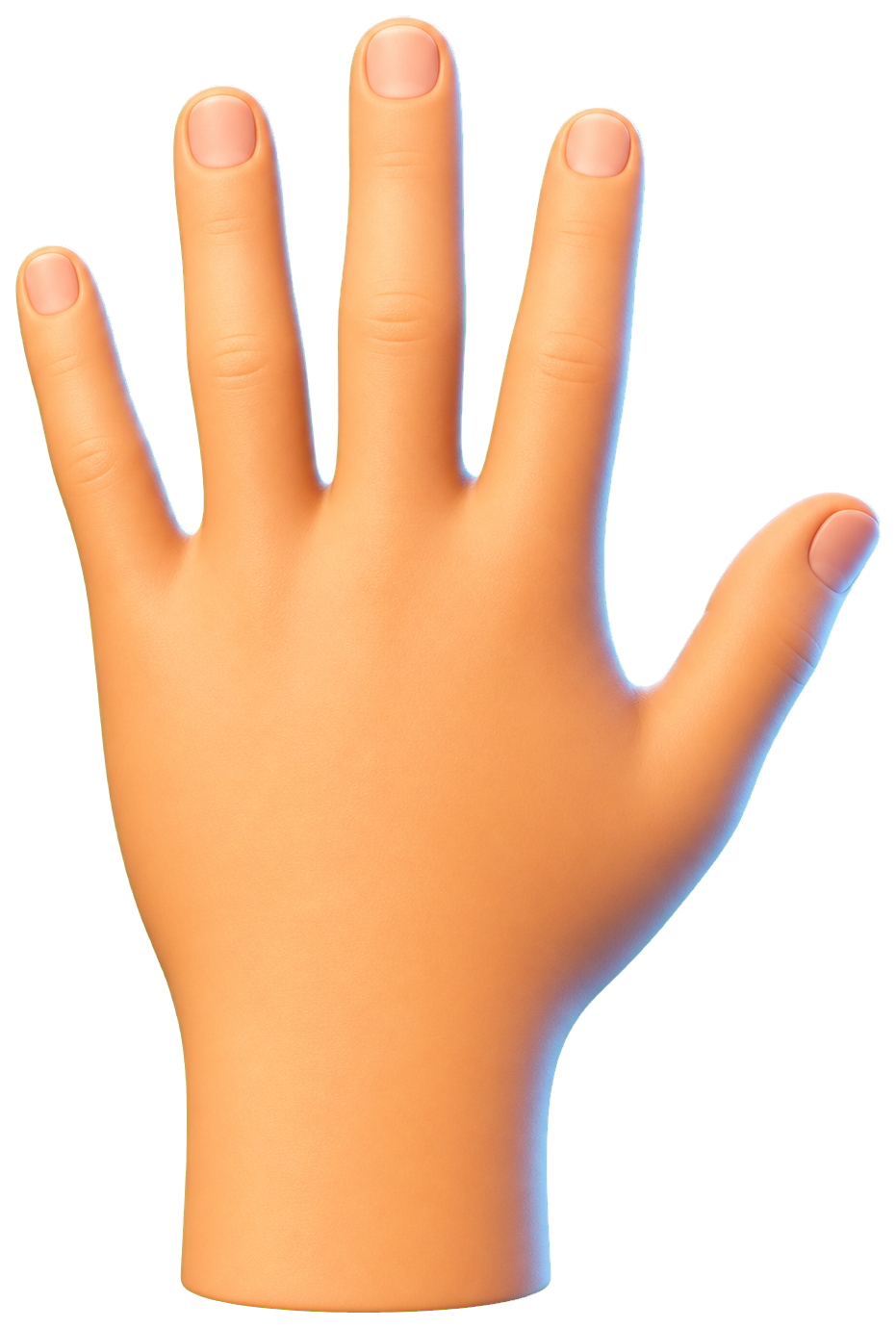
 A Q Z
S W X
D E C
F G R T V B
space
A Q Z
S W X
D E C
F G R T V B
space
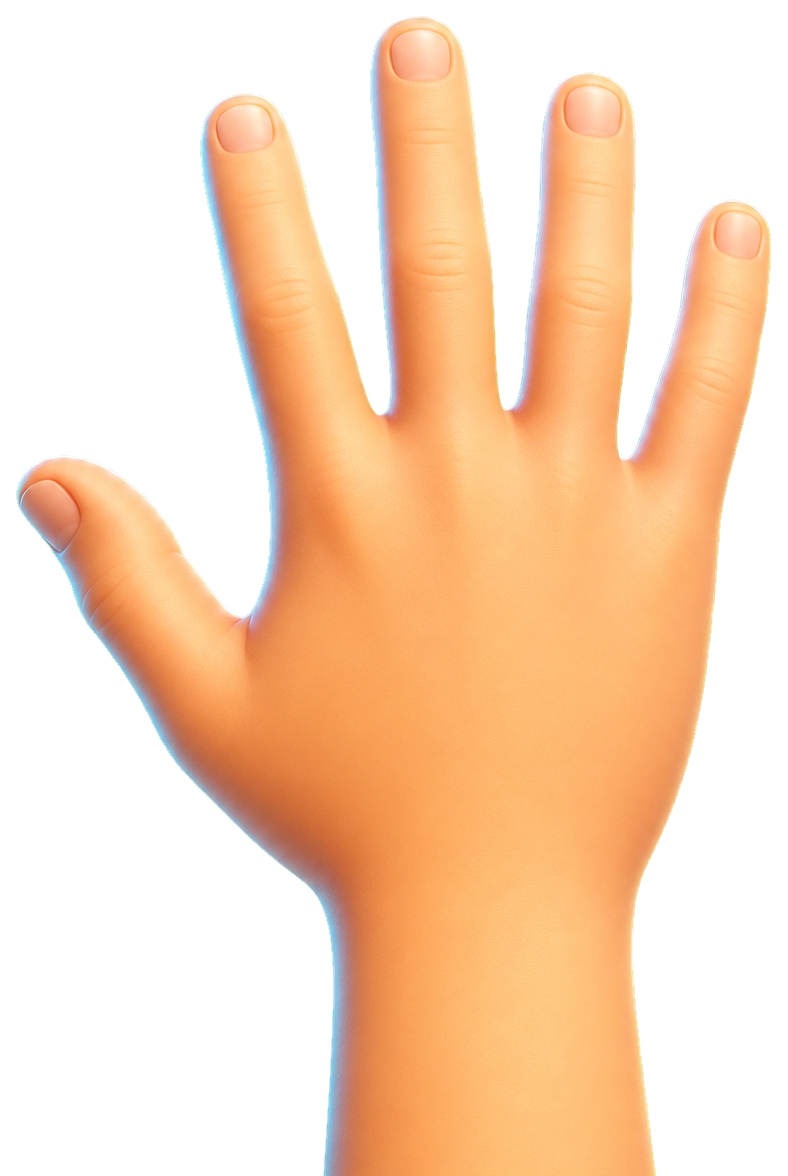 H J Y U N M
K I ,
L O .
P ; /
space
H J Y U N M
K I ,
L O .
P ; /
space
Practice without noise
A clean workspace keeps the text, caret and feedback in one visual flow during every WPM test.
A calmer way to type faster
The Industrial Revolution, which unfolded between the late eighteenth and early nineteenth centuries, stands as one of the most transformative epochs in modern history-an era that irrevocably altered the trajectory of human civilization. Originating in Britain and eventually sweeping across Europe, America, and beyond, it marked the transition from agrarian economies to industrialized societies driven by mechanization, innovation, and capitalism. The invention of the steam engine by James Watt, the spinning jenny by James Hargreaves, and the power loom revolutionized production, liberating humanity from the limitations of manual labor while simultaneously enslaving it to the rhythms of the machine. Factories replaced workshops, urban centers expanded with unprecedented speed, and the social order was reshaped as traditional craftsmen gave way to industrial laborers. This metamorphosis, while heralding extraordinary material progress, also bred profound inequalities-child labor, poor working conditions, and environmental degradation became the unseen costs of advancement. The Industrial Revolution not only transformed the economy but also redefined human consciousness; it gave rise to new ideologies such as socialism, liberalism, and capitalism, each grappling with the consequences of mechanized modernity. The railway, telegraph, and mechanized printing press shrank distances and accelerated communication, birthing a globalized world long before the term existed. Yet, beneath the smoke and steel, the revolution's moral legacy remains ambiguous-it symbolized both human ingenuity and human exploitation. The industrial city, with its towering chimneys and polluted air, became a metaphor for progress and alienation alike. Ultimately, the Industrial Revolution was not merely a technological event but a philosophical one: it redefined humanity's relationship with nature, labor, and time itself. It marked the dawn of the modern age-an age where power, production, and progress became inseparable forces driving the destiny of nations and the imagination of mankind.
Browse all typing paragraphs →A clean workspace keeps the text, caret and feedback in one visual flow during every WPM test.
Switch between timed typing speed tests, word goals and curated passages. Add punctuation or numbers when ready.
Review speed, accuracy, consistency and your pace across the full test so the next session has a clear focus.